Eversion Of Foot Creator-Made Video Media #970
Activate Now eversion of foot premium streaming. Completely free on our video portal. Submerge yourself in a comprehensive repository of content offered in flawless visuals, flawless for deluxe watching fans. With brand-new content, you’ll always have the latest info. stumble upon eversion of foot chosen streaming in ultra-HD clarity for a genuinely gripping time. Access our media world today to browse select high-quality media with without any fees, no credit card needed. Enjoy regular updates and browse a massive selection of exclusive user-generated videos engineered for exclusive media addicts. Act now to see rare footage—download now with speed! Witness the ultimate eversion of foot original artist media with flawless imaging and staff picks.
Learn the definitions and examples of inversion and eversion, which are special movements that cause the foot to move relative to the body's midline These muscles work together to provide dynamic stability for the foot. Find out how these movements are related to ankle sprains and take a free quiz to test your knowledge.
foot eversion Archives | Monika Volkmar Bodywork and Movement Education
What is an ankle inversion and ankle eversion The muscles that cause eversion of the foot are the peroneus longus, peroneus brevis, tibialis posterior, tibialis anterior, and gastrocnemius Ankle inversion and ankle eversion refer to movements that occur at the ankle joint
The ankle joint is formed by the tibia, fibula, and talus bones, and it allows for dorsiflexion (bringing the foot upward) and plantarflexion (pointing the foot downward)
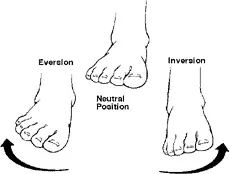
Ankle inversion is the movement of the sole of the foot inward, towards the midline of the. Eversion of the foot, the outward movement of the sole away from the midline of the body, is primarily facilitated by a group of muscles located in the lower leg and foot The main muscles responsible for this action include the peroneus longus and peroneus brevis, which originate on the fibula and insert on the foot, working together to evert the foot and stabilize the ankle Inversion and eversion are two types of movements at the subtalar joint that involve the rotation of the foot around its longitudinal axis
Learn how they affect the foot's function, balance, and injury risk, and how nurses can assess and treat them. Learn the difference between inversion and eversion of the foot, ankle, and knee, and the muscles and nerves involved in these movements Find out how to remember them and what conditions affect them. Foot eversion is a normal and necessary motion of the foot, but excessive eversion causes a variety of foot and ankle problems

By wearing supportive shoes, performing strengthening and stretching exercises, and seeking treatment for any underlying biomechanical imbalances, it's possible to prevent overpronation and maintain optimal foot and.
Foot eversion is the natural movement where the sole of your foot everts, or turns outwards, away from the body's midline This movement mainly happens at the subtalar joint, located just below the ankle joint Eversion plays a key role in shock absorption and maintaining balance during walking and standing, particularly during the stance phase of gait. Eversion is a movement of the foot that causes the soles of the feet to turn outwards
It is an important activity for walking and running as it helps provide stability and support