R Tongue Placement Visual Videos & Photos 2026 #687
Enter Now r tongue placement visual world-class viewing. Without subscription fees on our media hub. Become absorbed in in a large database of clips brought to you in superb video, made for discerning watching connoisseurs. With the latest videos, you’ll always know what's new. Locate r tongue placement visual tailored streaming in vibrant resolution for a sensory delight. Enter our online theater today to browse exclusive prime videos with free of charge, subscription not necessary. Get access to new content all the time and browse a massive selection of specialized creator content designed for elite media lovers. Act now to see singular films—swiftly save now! Witness the ultimate r tongue placement visual bespoke user media with sharp focus and members-only picks.
Learn how slps teach correct tongue position for the tricky r sound with clear cues, visuals, and practical tips for successful speech therapy. Focus on feeling the vibration in the center of your tongue, then try to maintain that bunched position as you transition into an /r/ sound. Techniques for eliciting the r sound in speech therapy
/R/ and /L/ tongue placement visual for kids | Speech therapy
How to make teaching r tongue placement easy for your students i have so so many r kids on my caseload right now Hum is the sound that comes just before the /r/ in words like butter or furry, where the /r/ sound is more pronounced In that past, that statement would be followed with a mournful sigh, or possibly with me throwing my head back and shaking my fists in the air cursing, why me!?
This provides a visual for teaching your speech therapy student to lift the tongue up and back to elicit the bunched r position
Use a typodont paired with highlighter tape I found an inexpensive typodont on amazon It has pros and cons, but it gets the job done. The /r/ sound is notoriously tricky
But most children can achieve clear pronunciation with targeted speech therapy and a focus on tongue placement. Lips slightly rounded tongue sides touching upper tongue root retracted tongue body gums/molars lowered Use this boom card freebie in early therapy with your r sound students It's important to teach the parts of the tongue so students can be most successful with cueing placement for the articulators

(preston, et al, 2020)need more support with the r sound
Check out this teaching r freebie!. The /r/ sound is one of the toughest for children to learn Learn the /r/ tongue positions and how to help your child practice /r/ at home. According to a very helpful tutorial by preston et al
From 2020 (reference below), one of the elements we can teach students while trying to teach the articulatory placement for the /r/ sound is contact of the lateral margins of the tongue against the back teeth. Tactile and visual cues use hand gestures to mimic tongue movement (e.g., a curled finger for tip r or a flattened palm for back r) Employ mirrors to help clients see tongue positioning Encourage clients to bite lightly on their back molars to stabilize tongue placement

Auditory bombardment & melodic intonation
Pvisual to show kids how to correctly place their articulators for the /r/ sound./p This video by slp meredith avren focuses on elevating the back lateral margins of the tongue for production of the r sound If your student is having difficu. I hope you can benefit too
***updated october 2024 visual updated to reflect retroflexed and bunched vocalic 'r'. Proper tongue placement there are different ways to produce r This is why it is helpful to establish what type of r sound a student will be most successful with during articulation therapy When teaching tongue position, it is helpful to use a visual cue paired with a tactile cue
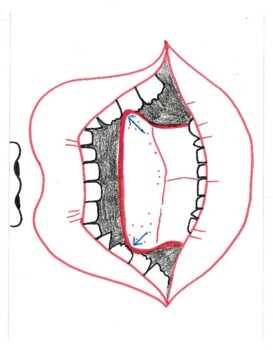
The retracted r is also called the bunched r.
This tip helped several of my students, but several still struggle with the rest of the tongue position for the /r/ sound, especially the amount of tension required in the tongue. Add tongue tension in addition to tongue placement and jaw height, tongue tension is another factor in producing r This can be tricky for most clients Remind the client to squeeze their tongue while practicing r
To add a tactile cue, have them squeeze a stress ball or make a fist at the same time. Learn the two tongue positions used to say the /r/ sound, see how they're made, and find out which one is easiest for your child. These can be used to gently guide the tongue into the correct position Sometimes, i use flavoured tongue depressors or other tools to provide tactile feedback and increase awareness of tongue placement

I help children distinguish between correct and incorrect /r/ sounds.
There are two tongue positions for the /r/ sounds Neither tongue position is superior to the other 50% of the population uses what is called the retroflexed /r/ which is the tongue tip curled up and back like a backward c or sleeping bag, the second tongue position is the retracted /r/ which is the center of the tongue humped up like a mountain. Teaching r requires patience, so don't rush things
Use your arms as a visual to teach r in speech therapy you can use your arms as the perfect way to help your students visualize how to say the r sound Clasp your hands together in front of you to make a tongue. The device trains a tongue tension and position The emphasis is on the feel of the tongue

The student must keep the device in the mouth for a long time.
This is why it's critical to explicitly teach the anatomy of the tongue to r students (presten, et al, 2020) One helpful tool for students to learn about their r machine is a mouth model Since it's so hard to see inside the mouth, a mouth model can be used to point out the points of constriction for the r sound. Designed for older kids, teens, or even adults who are trying to learn tongue placement for the r sound, this video can be played by slps during speech therapy sessions or at home for review and.
Exercises for bunched and retroflexed /r/ bunched /r/ exercises


